
By Dyana Díaz
The first time I really understood the power of multilingual arts education, I wasn’t teaching a bilingual class. I was teaching theatre in English at a public school in San Francisco’s Mission District.
One of the students in my class (I’ll call her Sophia) was a smart, funny, and incredibly creative 3rd grader. She was also learning English. I had the privilege of being bilingual, which meant I could connect with her in Spanish outside the classroom. And that’s where I saw her shine. Sophia would tell me stories, some real and some completely made up. She would share songs, jokes, ideas, and even TikTok dances. She had so much to say. Her imagination was always moving. But when we were in the theatre classroom, something changed. She would sit toward the back. Her light seemed to dim.
One day, during an improv game, I challenged her to participate because I knew she could come up with something interesting. But Sophia froze. I tried speaking to her in Spanglish. I waited. Nothing. Then another student blurted out, “Miss, she doesn’t know how to speak!” I responded, “Of course she does. You just need to be patient.” That day, Sophia didn’t participate.
After class, I spoke with her privately. What she told me broke my heart.“Miss Dyana, I can’t do those things because I’m dumb.” She was so far from dumb. Sophia was bright. She was brave. She was creative. But in that moment, she couldn’t see those things in herself. And I realized something important; Sophia didn’t need to become more confident before she could participate. She needed an environment where she could feel confident enough to try.
So the following week, we changed the class. We made it fully bilingual (English and Spanish), and students could choose which language they wanted to use. And suddenly, Sophia let go. There she was. Her ideas came out. She took creative risks. She made us laugh. She created. She played. Her classmates got to see the Sophia I had already met outside the classroom. She wasn’t “bad at theatre.” She wasn’t “dumb.” She was self-conscious about learning a new language, and she was using so much energy trying to navigate that experience that there wasn’t much left for her to simply be.
For multilingual children like Sophia, language is more than a school subject. It is connected to identity, culture, relationships, and the way they understand themselves. Imagine how much mental and emotional energy it can take to constantly translate not just words, but jokes, ideas, feelings, stories, and personality. When children are given permission to create in the language that feels most natural to them, some of that pressure disappears. They can finally focus on the fun part: creating. They can tell the story they want to tell. They can make the silly choice. They can take the artistic risk. They can discover that they have something valuable to contribute.
When they experience that feeling of “I can do this,” something bigger starts to happen. Their confidence grows. They develop a sense of achievement, and that achievement can become a little spark of hope: “Maybe I can do this, too.” When we offer theatre in Spanish, we aren't simply teaching young people how to act. We are creating a space where they can connect with their community, express themselves authentically, and experience the joy of becoming a multilingual individual in a fun and supportive environment. They will grow as artists, yes. But more importantly, they begin to see their own potential. They learn that their ideas matter. That their voice matters. That their language matters. And sometimes, that is where confidence begins.
Sophia has grown into a confident multilingual student. Watching that journey has reminded me that sometimes our job as educators isn't to push children to dim their differences so they can fit into a space. Sometimes, our job is to change the space so they can shine. If you know a young person who could benefit from a creative, supportive space to explore acting in Spanish, send them our way.
Join SF Youth Theatre’s Actuación en Español and give your young person the opportunity to create, connect, laugh, take healthy risks, and discover the power of their own voice. Because when kids know they can succeed in the language that feels like home, they can begin to believe they can succeed anywhere.
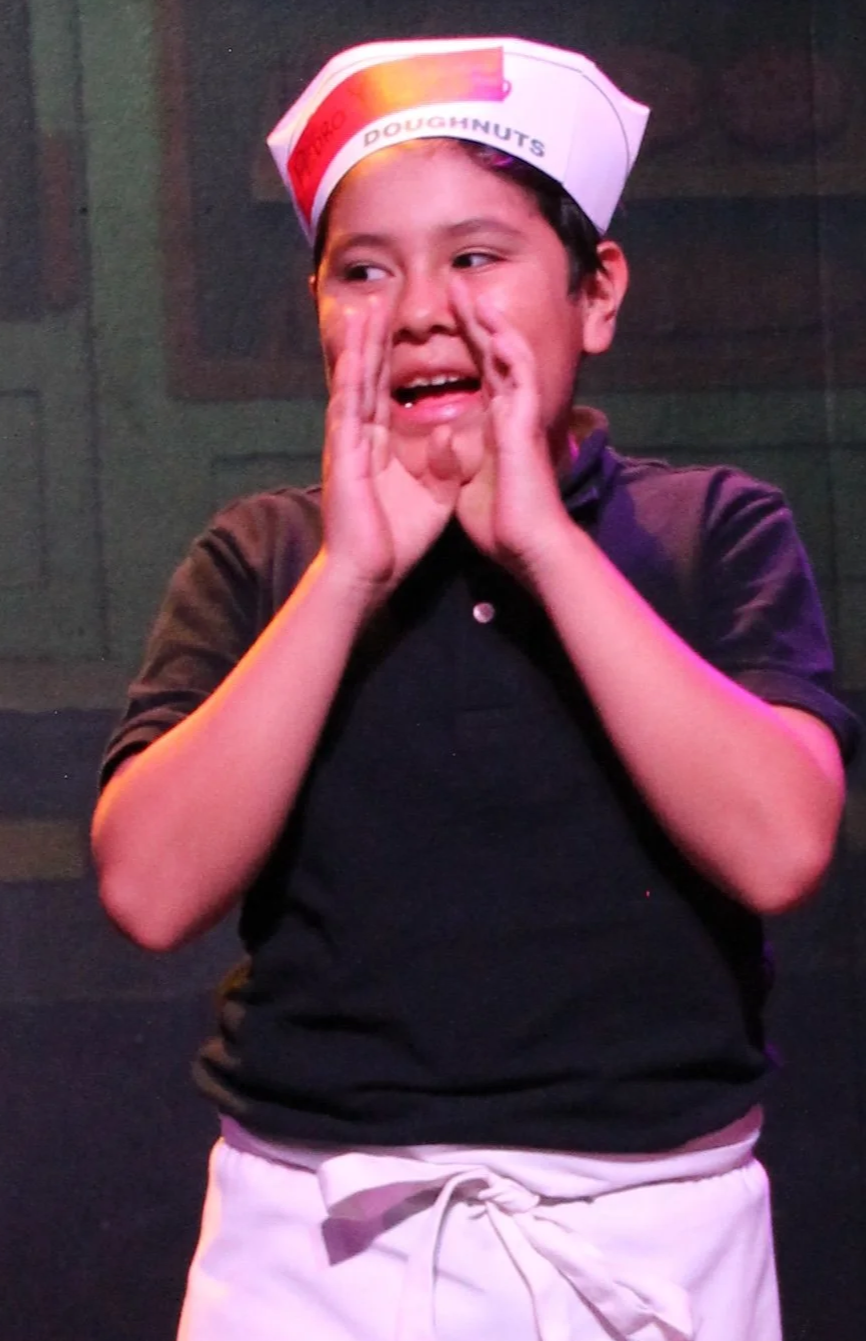
Actuación en Español meets weekly. More info here.